
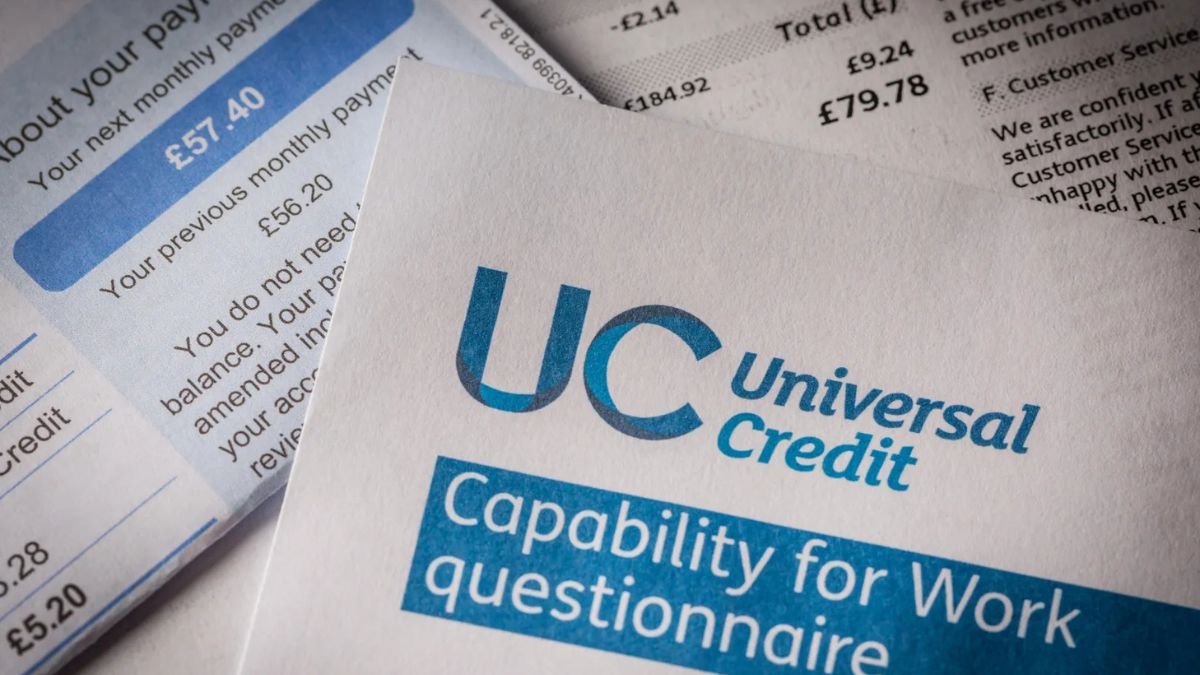
For millions of people living in the United Kingdom, Universal Credit has become a vital lifeline. It provides financial assistance to those who are unemployed, unable to work, or living on a low income. Amidst rising inflation and daily living costs, the government periodically introduces changes to the scheme to ensure people receive adequate relief. For the year 2026, the Department for Work and Pensions (DWP) has confirmed several significant changes that will directly impact the amount of financial support received.
In this article, we will explain in simple terms what changes are set to take place starting in March 2026, how much benefit you can expect to receive, and what impact these changes will have on your personal budget.
What is Universal Credit?
Universal Credit is a government scheme that provides financial assistance to low-income individuals and families. It consolidates six separate benefits—such as Jobseeker’s Allowance, Income Support, Housing Benefit, and Child Tax Credit—into a single monthly payment. Its primary objective is to help people cover essential expenses, such as rent, food, and other basic necessities.
The amount received depends on each individual’s specific circumstances—including their income, savings, and family size. Typically, payments are issued on a monthly basis.
Key Changes Coming in March 2026
1. Increase in the Standard Allowance
The government has decided to increase the basic payment amount, known as the Standard Allowance.
- Single individuals will now receive an additional £25 per month.
- Couples will receive an additional £40 per month.
This increase has been implemented specifically to account for inflation, ensuring that people can more easily manage their daily living costs.
2. Additional Support for Families with Children
There is also good news for families with children.
- The “Child Element”—the specific allowance received for each child—will increase by £10 per month.
- Additionally, the financial support provided to help cover childcare costs will also be increased.
This will be particularly beneficial for working parents who rely on day-care or nursery services.
3. Support for People with Disabilities and Illnesses

The government has taken a significant step to support those who are unable to work due to health issues or disabilities.
The LCWRA (Limited Capability for Work and Work-Related Activity) payment will see an increase of £30 per month.
This will prove to be immensely helpful for individuals who have been facing long-term health challenges.
4. Abolition of the “Two-Child Limit” Rule
Previously, a rule was in place under which families with more than two children did not receive full benefits for their additional children. This rule had faced considerable criticism.
Now, effective March 2026, this “two-child limit” will be abolished, ensuring that larger families receive full benefits for every child. This could lead to a significant improvement in their financial situation.
5. Increase in Housing Support
In light of rising rents, the government has also decided to increase housing support.
- The extent of this increase will vary depending on the specific region.
- Residents of major cities, such as London, may stand to benefit the most.
This measure will help alleviate the burden of rent costs to some extent.
6. Benefits for Working Individuals
Relief is also available for those who are currently employed but have a low income.
- The Working Allowance will be increased by £15 per month.
- This will provide additional support to part-time employees or those in low-wage jobs.
How much will you benefit in total?
This depends on your individual circumstances; however, here is an estimated breakdown:
- Single Individuals: Approximately £25 extra per month
- Couples (with children): £40 + £10 per child
- Families with a disabled member: £30 + £10 per child
- Working Individuals: £15 extra per month
The specific amount may vary for each individual case, but overall, these changes are expected to provide significant relief.
How to Prepare for These Changes?
To ensure you take full advantage of these new rules, you should take the following essential steps:
Keep your information updated: Ensure that your details regarding income, family composition, and housing are accurate and up-to-date.
Plan your budget: Create a budget to ensure the increased funds are utilized effectively. Check for Other Benefits: If you are eligible for any other forms of assistance, be sure to apply for them as well.
Conclusion
The Universal Credit changes scheduled for March 2026 are set to bring significant relief to many people. Whether you are single, living with a family, working, or dealing with a health condition—these changes could improve your financial situation.
It is essential that you thoroughly understand these new rules and plan ahead so that you can take full advantage of the benefits available to you.
Leave a Reply