
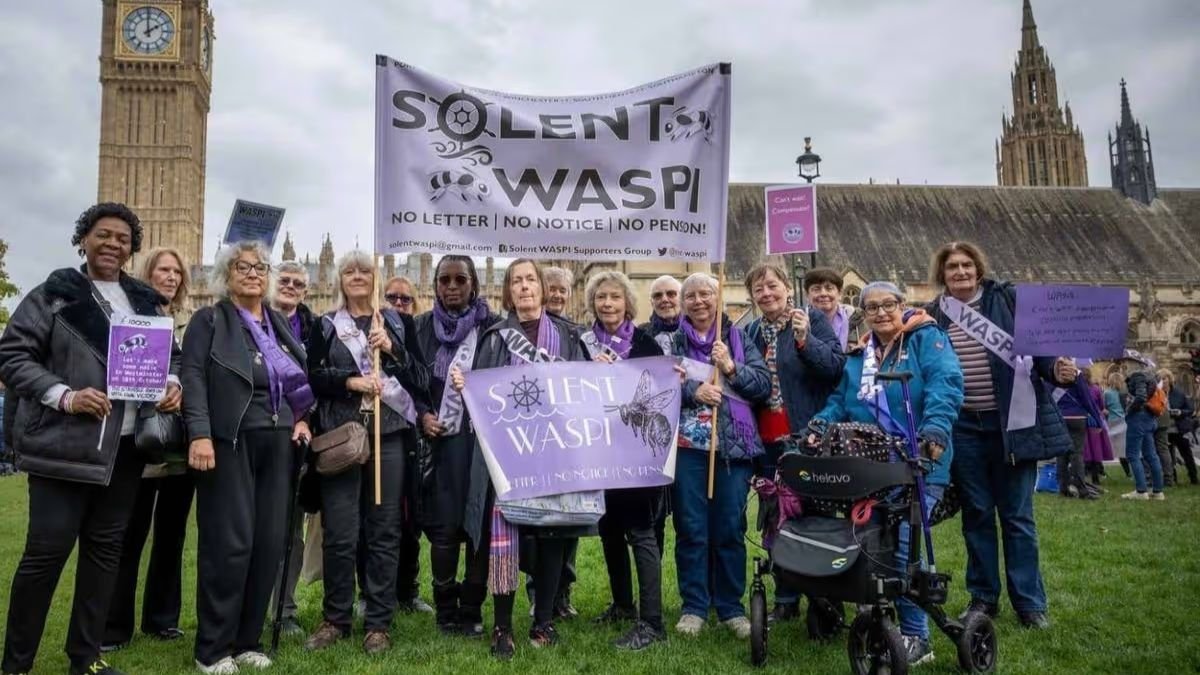
The campaign for justice by women affected by changes to the UK state pension age has been ongoing for several years. The group known as Women Against State Pension Inequality (WASPI) represents millions of women born in the 1950s who say they were not properly informed about the government’s decision to raise the state pension age. These women argue that the sudden shift in retirement age left many financially unprepared, forcing them to work longer or face serious financial hardship.
The issue largely centers on the actions of the Department for Work and Pensions (DWP), which implemented the changes as part of reforms intended to equalize the pension age for men and women. While the policy itself was legal, campaigners claim that the lack of clear and timely communication created unfair consequences for many affected individuals.
The Proposed £2,950 Compensation Discussion
In recent discussions, attention has turned toward a potential compensation payment for affected women. Reports have circulated suggesting that around £2,950 could be recommended as compensation for those impacted by the pension age changes. Although this figure has been widely mentioned in discussions, it has not yet been formally confirmed as a final payment.
The suggested amount comes from recommendations linked to findings by the Parliamentary and Health Service Ombudsman (PHSO). The ombudsman previously concluded that there had been maladministration in the way the pension age changes were communicated. As a result, the office suggested that compensation might be appropriate for women who experienced financial and emotional distress due to insufficient notice.
Why the High Court Case Matters
The growing focus on a possible High Court ruling has renewed hope among campaigners. Legal action could potentially push the government to respond more directly to the ombudsman’s findings and address the compensation issue.
The involvement of the High Court of Justice could be a turning point. If the court determines that the government must reconsider the recommendations or provide clearer justification for rejecting them, it may create pressure for a resolution after years of stalemate.
For many WASPI supporters, the legal challenge represents the most significant opportunity yet to break the deadlock between campaigners and policymakers.
Government Position and Ongoing Debate
The UK government has maintained that changes to the pension age were necessary to reflect longer life expectancy and ensure the sustainability of the pension system. Officials have also stated that information about the reforms was communicated through letters, public announcements, and other channels over several years.
However, many affected women dispute this claim, arguing that they did not receive adequate notice in time to adjust their retirement plans. The debate continues to divide policymakers, advocacy groups, and the public.
Members of the UK Parliament have also been involved in discussions about how the issue should be resolved. Some lawmakers support compensation or transitional financial assistance, while others argue that implementing a large-scale payout could create significant costs for taxpayers.
Financial and Social Impact on WASPI Women
For the women involved, the issue is not simply about a single payment but about recognition of the challenges they faced. Many say they had expected to retire in their early 60s but were suddenly required to wait several more years for their pension.
This delay often meant relying on savings, taking on additional employment, or claiming other benefits to cover daily expenses. For some, the financial strain was accompanied by emotional stress, particularly when retirement plans had already been made based on earlier pension age expectations.
Supporters of compensation argue that even a modest payment such as £2,950 could serve as acknowledgment that mistakes were made in how the policy changes were communicated.
What Could Happen Next
The next steps largely depend on the outcome of the legal and political processes surrounding the case. If the High Court pushes for reconsideration, it may encourage further debate within government and parliament about whether compensation should be implemented.
Campaign groups are continuing to raise awareness and push for action, while policymakers assess the financial implications and legal responsibilities involved.
Conclusion
The dispute surrounding WASPI women and potential compensation remains one of the most debated pension issues in the UK in recent years. The possibility of a £2,950 payment has reignited public discussion, but the final decision still depends on legal outcomes and government policy. With the High Court now playing a potential role in the process, many affected women hope that a long-standing stalemate may finally move toward a resolution.
Leave a Reply