

After issuing a series of “final” deadlines over several weeks, the government has now quietly begun to backtrack on its decision to completely phase out Social Security paper checks. This policy was initially introduced in a rather rigid manner, sparking anxiety among millions of beneficiaries. However, without much fanfare, the government now appears to be gradually rolling back this plan.
This shift is not merely an administrative decision; it also signals an acknowledgment of the needs and realities of those who continue to rely on traditional methods.
The Beneficiary Impact of This Change
The new government policy provides its main advantage to beneficiaries by enabling them to select their preferred payment method. People who want to use digital channels can choose to do so while those who depend on paper checks will maintain their existing practice.
The public benefits from this flexibility because it allows them to select the option which most effectively meets their needs.
What Was the Plan to Eliminate Paper Checks?
The government’s plan was to fully digitize Social Security payments. This meant that all beneficiaries would receive their payments exclusively via bank transfers or direct deposits, and paper checks would be completely eliminated.
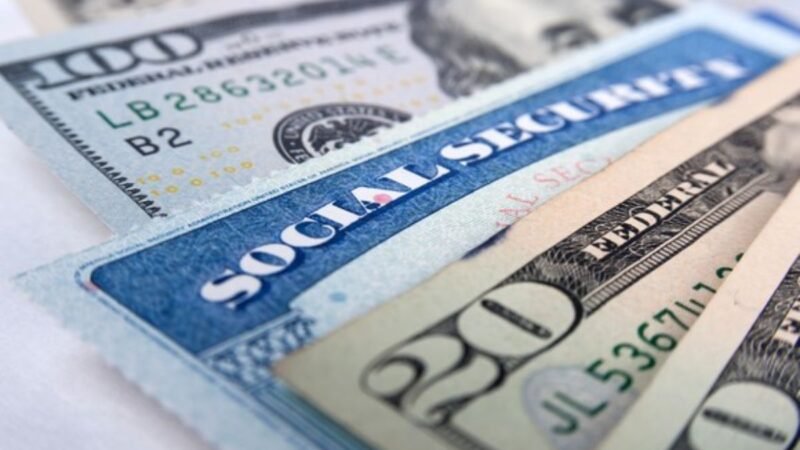
The rationale behind this plan was that digital payments are faster, more secure, and more convenient. It also serves to reduce administrative costs and minimize the potential for fraud. However, the plan proved to be far less straightforward in practice than it appeared on paper.
Repeated “Final” Deadlines
The government set deadlines for implementing this plan on multiple occasions. Each time, it was announced that this constituted the “final” opportunity and that, thereafter, paper checks would be discontinued entirely.
These repeated announcements created confusion and uncertainty among the public. Many beneficiaries were unsure whether they needed to make the transition immediately or not. The elderly and residents of rural areas, in particular, were disproportionately affected by this situation.
Why Did It Spark Opposition and Concern?
The strongest opposition to this plan came from those who have not yet fully integrated into the digital banking system. This group includes the elderly, individuals with disabilities, and residents of rural areas.

Many people either do not possess a bank account or feel uncomfortable navigating digital transactions. For them, paper checks represent a reliable and accessible method of receiving payments. Consequently, abruptly eliminating this option would have created significant difficulties for them.
The Government’s Gradual Retreat
The government has now begun to soften this scheme without making any major formal announcement. This implies that, rather than immediately phasing out paper checks, the option to continue using them is being kept open.
This shift signals that the government has taken the public’s concerns and feedback seriously. Although this move has not been officially announced on a large scale, the indications are clearly visible.
Benefits and Limitations of Digital Payments
It is true that digital payments offer advantages in many respects. They are fast, secure, and easy to track. However, this method is not suitable for everyone.
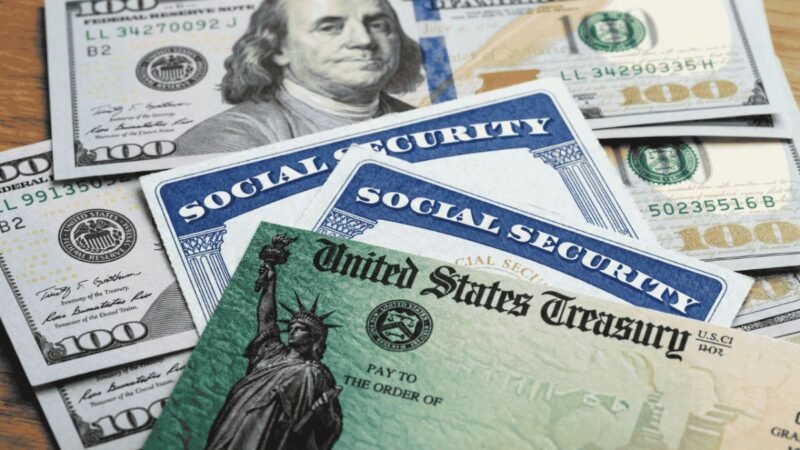
The digital systems face multiple challenges which include technical glitches, cyber fraud incidents and problems with Internet access. The situation creates a major challenge for people who experience difficulties with technological systems.
The Beneficiary Impact of This Change
The new government policy provides its main advantage to beneficiaries by enabling them to select their preferred payment method. People who want to use digital channels can choose to do so while those who depend on paper checks will maintain their existing practice.
The public benefits from this flexibility because it allows them to select the option which most effectively meets their needs.
Administrative Challenges and the Need for Balance
This presents a challenging situation for the government, requiring it to strike a balance between digital advancement and the actual needs of the people. On one hand, adopting modern technology is essential; on the other, ensuring that no citizen is left behind is equally critical.

Therefore, it is imperative that before implementing any major changes, the public be adequately prepared and provided with sufficient time and support.
What the Future May Hold
In the coming times, it is likely that the government will continue to gradually promote digital payments, but without rushing to completely eliminate paper checks.
Additionally, the government may focus on training people to adopt digital systems and providing them with the necessary resources. This would facilitate the smooth implementation of future changes.
Conclusion: An Initiative to Understand People’s Needs
This move by the government demonstrates the critical importance of flexibility in policymaking and of understanding the needs of the people. While the plan to eliminate paper checks was indeed a step toward modernization, it became necessary to reconsider the manner in which it was being implemented.
Now that the government appears to be stepping back from this decision, it is evident that the voice of the public—along with their genuine concerns—continues to play a significant role in shaping policy decisions.
This shift points toward a balanced approach, wherein equal weight is accorded to both technology and human needs. In the times ahead, it will be interesting to observe how the government proceeds on this issue and how it ensures that the interests of all sections of society are taken into account.
FAQs
Q1. Why is the government reconsidering ending paper checks?
A. Due to concerns from beneficiaries who rely on paper checks and face challenges with digital payments.
Q2. Will Social Security paper checks still be available?
A. Yes, the government is now allowing them to continue for certain beneficiaries instead of ending them immediately.
Q3. Who is most affected by this policy change?
A. Elderly, rural, and unbanked individuals who depend on paper checks for their payments.
Leave a Reply