History of Langwathby Village in Cumbria Explained: Langwathby, located in the Cumbria region of England, is an ancient and historic village situated on the eastern bank of the River Eden. Located approximately 5 miles northeast of the town of Penrith, the village is known for its natural beauty and tranquil rural life. Langwathby is often referred to as the “village with the long ford,” as its name and history are linked to an old ford used for crossing the river. The village is renowned not only for its natural surroundings but also for its rich historical significance. Its rural setting, lush greenery, and picturesque riverside scenery give it a unique charm.
Origin of the Name and Historical Significance
The name Langwathby is believed to originate from Old Norse. It is derived from three words – Langr, Vað, and Býr – meaning “village situated near the long ford.” This name reflects the lifestyle and geography of the time when fords were used to cross the river. The village has existed since at least the 12th century, indicating its deep historical roots. The meaning behind the name suggests that this location was an important route for trade, travel, and local life.
Medieval Period and Land Ownership History
Langwathby’s history is deeply intertwined with the land ownership and administrative structures of medieval England. In the early 12th century, the manor of Langwathby was granted to a man named Henry, son of Swein. Later, in the 13th century, the area became part of the “Honour of Penrith.” At that time, the area was considered an important center of social and economic activity. This system of land ownership influenced the village’s development and administrative structure. Agriculture and animal husbandry were the primary occupations during the medieval period, providing a livelihood for the local population.
The Historical Bridge and its Significance in Crossing the River
Langwathby’s history is deeply intertwined with the bridge crossing the River Eden. A stone bridge, approximately 300 years old, was built in the village, proving crucial for locals and traders alike. This bridge was the primary means of connecting the village to the surrounding areas. However, a devastating flood in 1968 completely destroyed this historic bridge. A temporary girder bridge was then constructed, intended only as a temporary solution, but remarkably, it remains in use today. This bridge has become a symbol of the village’s history and resilience and holds significant emotional value for the local community.
Key Features and Cultural Identity of the Village
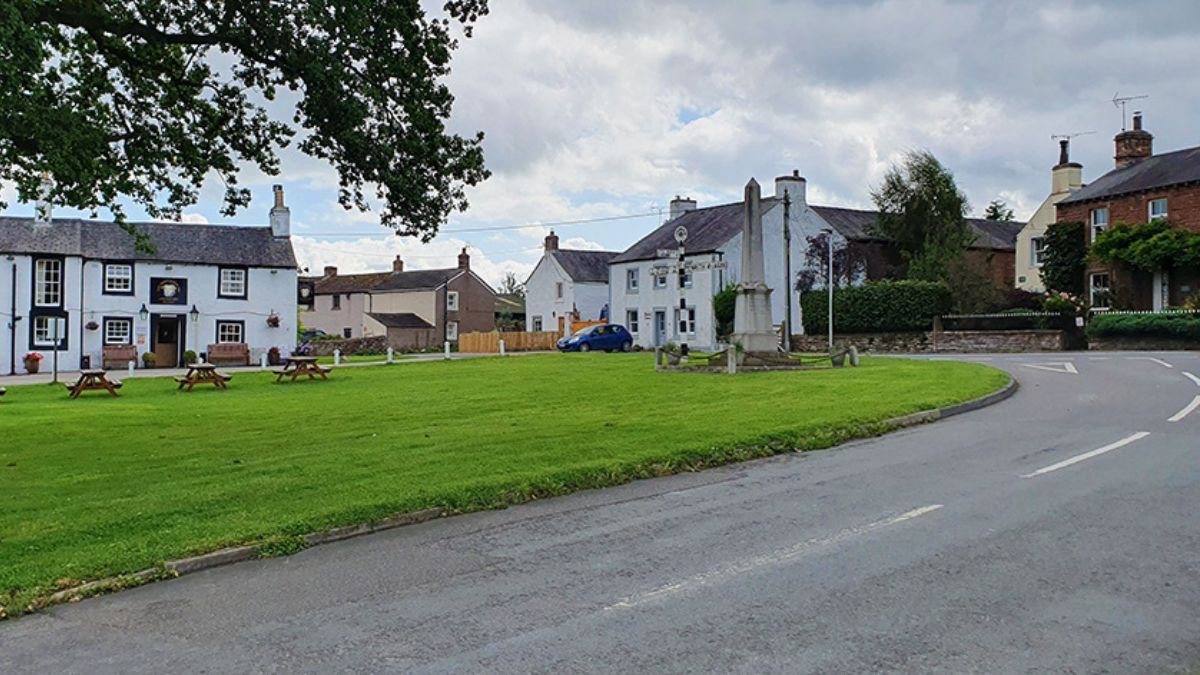
One of Langwathby’s most prominent features is its traditional village green. This green has been the heart of the village’s social and cultural life. Here, locals participate in various events, fairs, and social activities. The church located near the village is also a significant part of its historical and religious identity. This church is not only a center for religious activities but also reflects the village’s cultural history. Situated on the edge of the North Pennines and the Lake District, Langwathby is also considered highly important in terms of tourism and natural beauty.
Population Changes and the Story of Development
Langwathby’s population has undergone continuous changes throughout different periods of history. In 1688, the village had a population of approximately 210 people. By 1861, the population had increased to around 346. Over time, the development of basic amenities and transportation facilities led to a gradual increase in the number of inhabitants. By the 2020s, the village’s population had reached approximately 800 people. This population growth reflects the village’s development and the availability of modern amenities, yet despite this growth, the village has maintained its traditional identity and rural lifestyle.
Langwathby’s Identity in the Modern Era
Today, Langwathby is known for its rural charm and tranquil atmosphere. The railway station located here, on the Carlisle-Settle line, is a vital link connecting the village to other major towns. This railway line has played a significant role in the village’s development and has made travel easier for the local people. In addition, in 2021, a community initiative called the “Langwathby Sound Recording” project was launched. This project aims to record and preserve the lives, stories, and cultural traditions of the villagers. This initiative is considered a unique effort to preserve the village’s cultural heritage.
Natural Beauty and Tourist Attraction
Langwathby’s natural environment makes it an attractive destination for tourists. Situated on the banks of the River Eden, the village is peaceful and surrounded by lush greenery. Visitors have the opportunity to stroll along the riverbanks, enjoy the scenic views, and experience rural life firsthand. Its proximity to the North Pennines and the Lake District also makes it a popular area for hiking and nature lovers. The tranquil and clean air provides mental peace, making this place ideal for relaxation and rejuvenation.
Balance of History and Modernity
One of the most distinctive aspects of Langwathby is how the village has maintained a balance between its historical heritage and modern development. While the village retains its medieval history and traditional way of life, it has also embraced modern amenities and conveniences. While preserving its rich heritage, the village has also developed modern amenities and community projects. The villagers are proud of their culture and history and continuously strive to pass it on to future generations.
Conclusion
Langwathby is a village in Cumbria that stands out for its rich history, natural beauty, and strong sense of community. From the 12th century to the modern era, the village has continuously evolved, yet it has never abandoned its traditional roots. The historic bridge, the village green, the church, and the tranquil riverside environment give the village a unique character. Modern projects and amenities like the railway have helped it progress with the times. Langwathby is not only a historical village but also an example of how a place can preserve its heritage while embracing modern development to create a balanced and prosperous community.
FAQs
Q. Where is Langwathby located?
A. Langwathby is a historic village in Cumbria, England, located on the east bank of the River Eden, about 5 miles northeast of Penrith.
Q. What does the name Langwathby mean?
A. The name comes from Old Norse and means “village by the long ford,” referring to a river crossing.
Q. How old is Langwathby village?
A. The village dates back to at least the 12th century.
Leave a Reply