
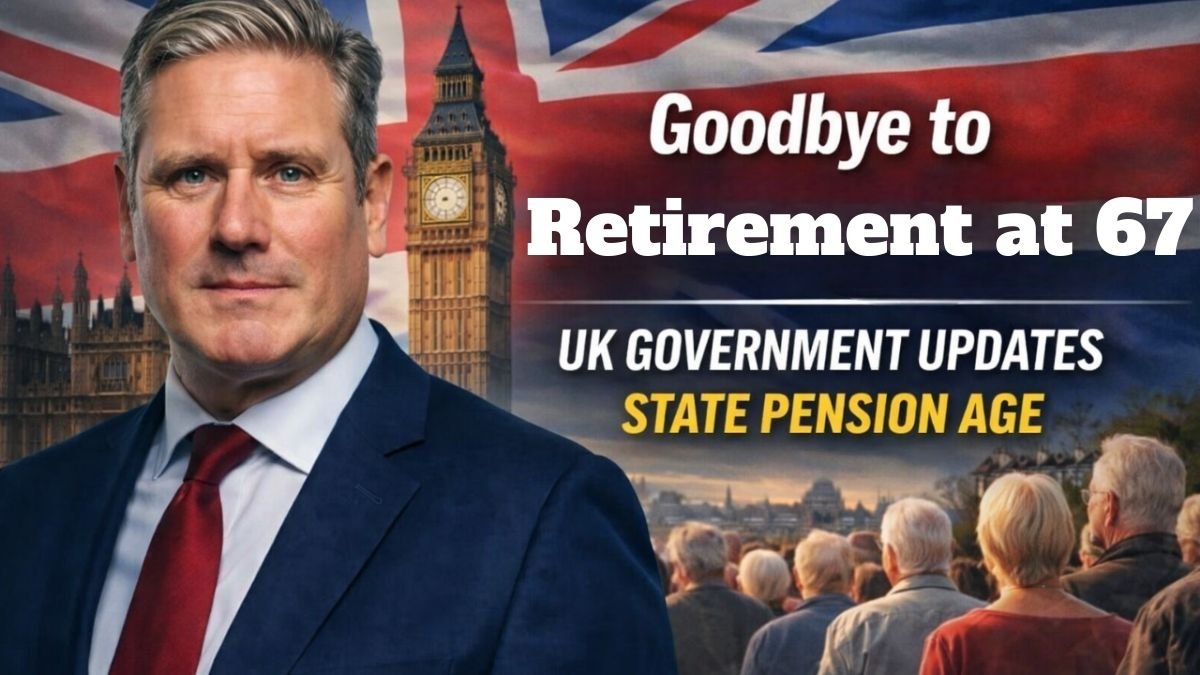
There was a time when the age of 67 was considered the standard benchmark for retirement; however, this perception now appears to be gradually shifting. By announcing updates to its State Pension Age policy, the UK government has signaled that, in the future, the retirement age will no longer remain as static as it once was. This shift is not merely limited to altering a single numerical figure; rather, it is a measure poised to exert a profound impact on society, the economy, and people’s lifestyles.
What is the state pension age, and why is it important?
The government provides pension payments to individuals who reach the designated state pension age. The starting age for pension eligibility in a country depends on its economic situation and its citizens’ life expectancy and workforce requirements. The UK pension system needs age adjustments because of changing economic conditions and citizen life expectancy and workforce requirements.
The policy holds especially important value for people who base their retirement planning on this particular standard. Consequently, any alteration to this policy directly impacts the future of millions of people.
Why Is Retirement at Age 67 Now Changing?
The UK government asserts that people now live longer than before because they have improved capacity to sustain their health throughout their lifetime. The pension system requires a higher retirement age because of increasing demographic pressures, which create a need for this solution.

Furthermore, economic challenges and government expenditure constitute major underlying factors driving this decision. Pension payouts represent a substantial financial outlay, and if individuals retire prematurely, the fiscal burden on the government intensifies.
What Do the New Changes Entail?
The government has indicated that, in the future, the UK Households state pension age may be gradually increased. While these changes will not take effect immediately, their impact will become clearly evident in the years to come.
This implies that today’s younger and middle-aged generations may become eligible for their state pension at the age of 68—or even older—rather than at 67. These changes are slated to be implemented in a phased manner, thereby providing individuals with sufficient time to adjust their personal retirement plans accordingly.
Impact on the General Public

The people who will experience the greatest effects from this change are those who are close to retirement age and those who are currently making retirement plans. The requirement to work extended hours will force them to make changes in their personal life.
The development serves as a positive outcome for some people because it enables them to work and earn money for an extended time. The development creates a major problem for many people who work in jobs that require physical strength.
Impact on Financial Planning
A change in the retirement age has a direct bearing on individuals’ financial planning. People must now adapt their savings, investments, and retirement strategies to align with the new regulations.

Experts advise individuals to maintain flexibility in their financial plans and to be prepared for the possibility of working for a longer duration. Furthermore, it becomes imperative to pay close attention to private pension schemes and various investment avenues.
Criticism and Support
The government’s decision has elicited a mixed response. While some view it as a necessary and pragmatic measure, others characterize it as a hardship imposed upon the general public.
Critics argue that individuals do not share identical health conditions or life circumstances; therefore, a uniform retirement age cannot be deemed equitable for everyone. Conversely, proponents of the move believe that it will serve to safeguard the long-term sustainability of the pension system.
Future Direction and Prospects
In the coming years, it is conceivable that the retirement age framework may become even more flexible. The government may explore options that allow individuals to select their retirement timing based on their specific circumstances.

Moreover, technological advancements and evolving work cultures are likely to introduce both new opportunities and fresh challenges within this domain.
Balancing the Needs of Government and Citizens
In the context of such sweeping changes, the paramount objective is to maintain a delicate balance between the government and its citizens. While the government is tasked with ensuring economic stability, it is equally imperative that it remains mindful of the needs and expectations of the citizenry.
Consequently, it is essential that such decisions be implemented with transparency and clarity, thereby ensuring that the public receives accurate information and has ample time to make necessary preparations.
Conclusion: Evolving Plans for Changing Times
“Goodbye to Retirement at 67” is not merely a headline but a signal that the very definition of retirement is set to change in the future. This move by the UK government makes it clear that, in the times ahead, individuals will need to approach their career and retirement planning from a fresh perspective.
This shift will bring with it both challenges and opportunities. Those who update their plans in a timely manner will be better equipped to navigate this transition. Ultimately, this is a development that reflects the changing landscape of both society and the economy.
FAQs
Q1. Why is the UK government changing the retirement age?
A. To address longer life expectancy and reduce pressure on the pension system.
Q2. Will the state pension age increase beyond 67?
A. Yes, future plans suggest it may gradually rise to 68 or higher.
Q3. Who will be affected by these changes?
A. Mainly younger and middle-aged individuals planning for future retirement.
Leave a Reply